1. Why Chimney Maintenance Matters
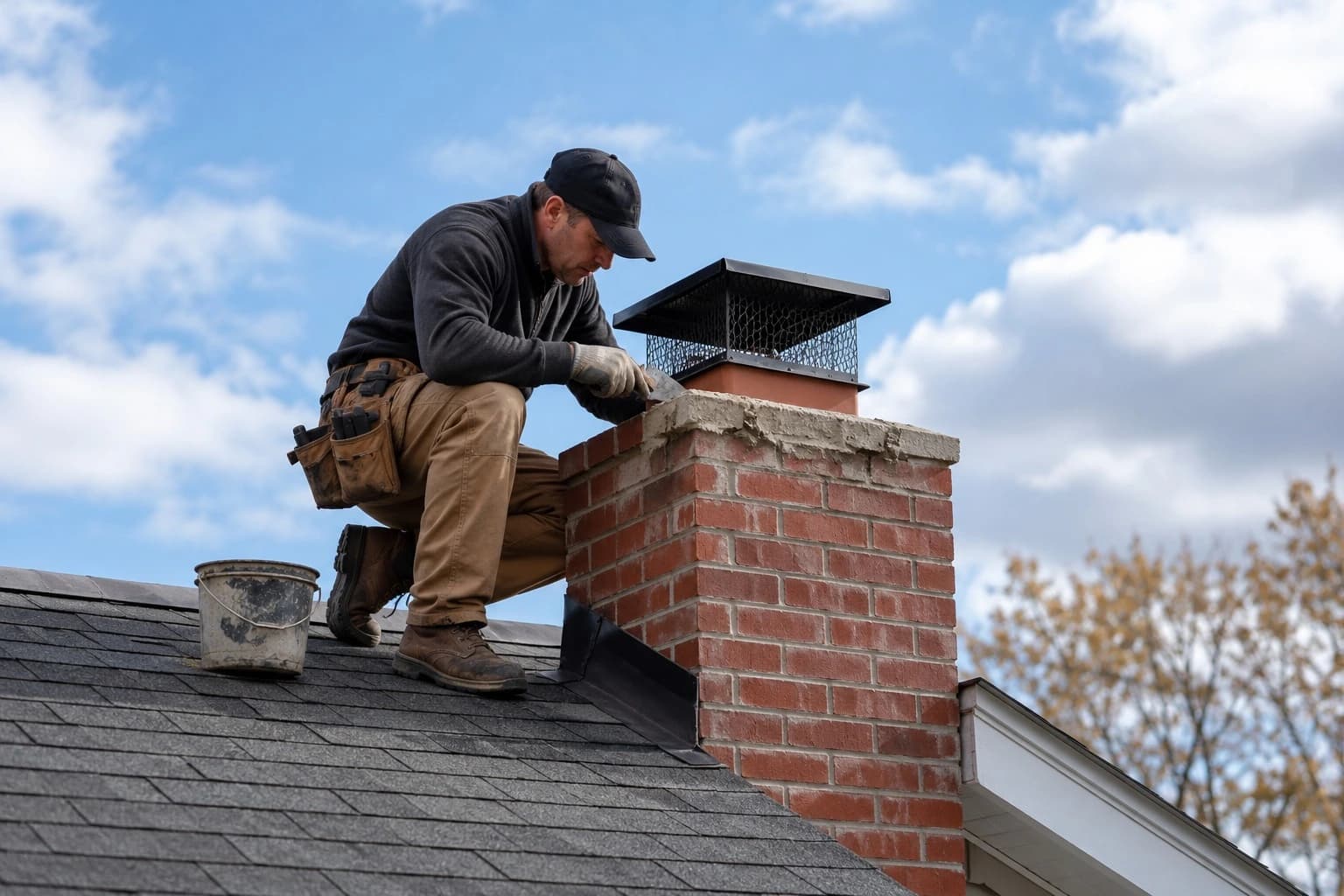
Chimneys face constant exposure to harsh weather throughout the year. In Essex County, freezing winters, heavy rainfall, summer humidity, and seasonal temperature swings accelerate masonry deterioration far more quickly than many homeowners realize.
Even small cracks can allow moisture to enter the chimney system. During winter, that trapped water freezes, expands, and causes bricks and mortar joints to crack further. Over time, these small problems can lead to water intrusion, loose masonry, structural instability, and expensive repairs.
Quick Answer:
Routine chimney inspections help identify cracks, deteriorated mortar, flashing issues, and water damage before they become costly structural repairs or safety hazards.
Why routine maintenance matters:
- Prevents water leaks inside your home
- Protects surrounding roofing materials
- Improves fireplace safety
- Reduces long-term repair costs
- Extends the lifespan of the chimney structure
- Helps prevent masonry deterioration during winter
2. Signs You Need Chimney Repair
Cracked or Missing Bricks
Visible cracks or missing bricks are among the clearest indicators that your chimney requires professional attention. Damaged masonry allows moisture to penetrate deeper into the structure, leading to accelerated deterioration during freeze-thaw cycles.
Damaged Mortar Joints
Mortar keeps the chimney structurally sound by binding the bricks together. When mortar begins crumbling or falling out, the chimney becomes weaker and more susceptible to movement and water damage.
Water Leaks Around the Chimney
Water stains on ceilings or walls near your fireplace often point to damaged flashing, deteriorated masonry, or failed chimney sealing. Addressing leaks early helps prevent mold growth and interior structural damage.
White Staining (Efflorescence)
White powdery deposits on chimney bricks indicate excessive moisture moving through the masonry. Although the staining itself is harmless, it signals a moisture problem that should not be ignored.
Leaning Chimney
A chimney that appears to lean away from the home or shows visible separation from the roofline requires immediate inspection. This may indicate foundation movement or serious structural deterioration.
Rust on Fireplace Components
Rust on the damper, chimney cap, or firebox is usually a sign that moisture is entering the chimney system. Persistent water intrusion shortens the lifespan of many chimney components.
3. Common Causes of Chimney Damage
Several environmental and structural factors contribute to chimney deterioration throughout Essex County. Understanding these causes helps homeowners recognize problems before major repairs become necessary.
The most common causes include:
- Harsh New Jersey winter weather
- Heavy rainfall and moisture penetration
- Freeze-thaw expansion inside masonry
- Aging brick and mortar
- Damaged or improperly installed flashing
- Missing chimney caps
- Poor drainage around the roofline
- Tree limbs and accumulated debris
- Lack of routine maintenance
Regular inspections can identify these issues before they develop into major structural problems or expensive reconstruction projects.
4. Risks of Delaying Chimney Repairs
Quick Answer:
Delaying chimney repairs can lead to water damage, structural instability, higher repair costs, and serious safety hazards. Addressing small issues early is almost always less expensive than waiting until extensive damage develops.
Potential consequences include:
- Interior water damage and ceiling stains
- Mold and mildew caused by persistent moisture
- Deterioration of surrounding roofing materials
- Loose bricks and falling masonry
- Reduced property value
- Fire hazards caused by damaged chimney liners
- Expensive structural reconstruction
What begins as a small crack in the masonry can quickly expand after several freeze-thaw cycles. Water entering the chimney often affects nearby roofing materials, attic spaces, and even interior walls, making early repairs the most cost-effective solution.
5. Chimney Repair vs. Chimney Replacement
Not every damaged chimney needs to be completely rebuilt. Many issues can be repaired when identified early, while severe structural deterioration may require replacement.
| Chimney Condition | Repair | Replacement |
|---|---|---|
| Minor masonry cracks | ✓ | |
| Deteriorated mortar joints | ✓ | |
| Flashing damage | ✓ | |
| Chimney crown deterioration | ✓ | |
| Severe leaning chimney | ✓ | |
| Major structural failure | ✓ | |
| Extensive brick deterioration | ✓ |
A professional inspection is the best way to determine whether your chimney can be safely repaired or whether replacement is the more practical long-term investment.
6. Local Considerations for Essex County Homeowners
Homes throughout Essex County experience weather conditions that can accelerate chimney deterioration. Heavy rainfall, snow accumulation, freezing temperatures, and seasonal humidity all place continuous stress on masonry structures.
Older homes in communities such as Newark, Montclair, Bloomfield, West Orange, Livingston, Maplewood, South Orange, and Cedar Grove are particularly susceptible because many chimneys have endured decades of exposure without major restoration.
Annual inspections before winter are strongly recommended for homeowners who use their fireplace regularly. Identifying damaged flashing, loose bricks, deteriorated mortar, or chimney cap issues before freezing temperatures arrive can help avoid emergency repairs during the coldest months of the year.
Areas Commonly Served
- Newark
- Bloomfield
- West Orange
- Livingston
- Montclair
- Maplewood
- South Orange
- Cedar Grove
- Belleville
- Irvington
7. Professional Roofing & Chimney Services
Chimney problems often develop alongside roofing issues. Damaged flashing, worn shingles surrounding the chimney, or deteriorated masonry can all contribute to water leaks inside your home. Working with a contractor experienced in both roofing and chimney repair helps ensure the underlying cause is properly addressed rather than temporarily patched.
Gutama Home Improvement provides comprehensive exterior services throughout Essex County, including chimney repair, masonry restoration, flashing replacement, roof repair, roof replacement, siding installation, and gutter services. Whether you need a routine inspection or emergency repair, experienced professionals can identify the source of the problem and recommend the most practical solution.
Services Include
- Chimney inspections
- Brick replacement and masonry restoration
- Mortar repointing
- Chimney flashing repair
- Chimney crown repair
- Roof leak diagnosis
- Roof replacement and repair
- Preventative maintenance
8. Key Takeaways
- Cracked bricks and deteriorating mortar are among the earliest warning signs of chimney damage.
- Water stains near the fireplace often indicate flashing or masonry problems.
- White staining (efflorescence) signals excessive moisture inside the chimney structure.
- Delaying repairs increases the risk of structural damage, mold, and higher repair costs.
- Essex County's seasonal weather accelerates masonry deterioration, making annual inspections highly recommended.
- Early repairs are significantly more affordable than complete chimney reconstruction.
9. Frequently Asked Questions
Below are answers to some of the most common questions homeowners ask about chimney repair and maintenance.
Call to Action
A damaged chimney rarely repairs itself. Addressing minor issues early helps protect your roof, your home's structure, and your family's safety while avoiding much larger repair costs later.
If you've noticed cracks, leaks, deteriorating mortar, or any other warning signs, schedule a professional chimney inspection before the damage worsens.
Protect Your Home
Schedule a professional chimney inspection and receive a free estimate from Gutama Home Improvement.